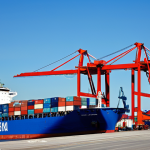
In today’s interconnected world, a nation’s trade competitiveness is more than just a buzzword; it’s the lifeblood of economic prosperity and global influence.
From navigating complex supply chains to fostering innovation and adapting to ever-shifting geopolitical landscapes, countries are constantly seeking ways to bolster their positions in the global marketplace.
Think about the rise of e-commerce giants and how they’ve reshaped retail or the impact of automation on manufacturing – these are just glimpses of the forces at play.
And honestly, after seeing how swiftly global events can disrupt trade, I believe understanding the nuances of trade competitiveness is crucial for anyone following international economics.
The future hinges on smart strategies and proactive measures, so let’s dive into how nations can truly strengthen their trade game. Let’s explore this topic in more detail below.
## Unleashing Domestic InnovationTo truly compete on the global stage, countries need to cultivate a fertile ground for domestic innovation. I mean, think about Silicon Valley and the constant stream of groundbreaking technologies coming out of there.
It’s not just about throwing money at research and development; it’s about creating an ecosystem where creativity thrives, risk-taking is encouraged, and collaboration is the norm.
After working in the tech sector for a few years, I’ve seen firsthand how critical it is to foster a culture that embraces failure as a learning opportunity.
Startups need access to funding, mentorship, and a regulatory environment that doesn’t stifle growth.
Investing in R&D and STEM Education
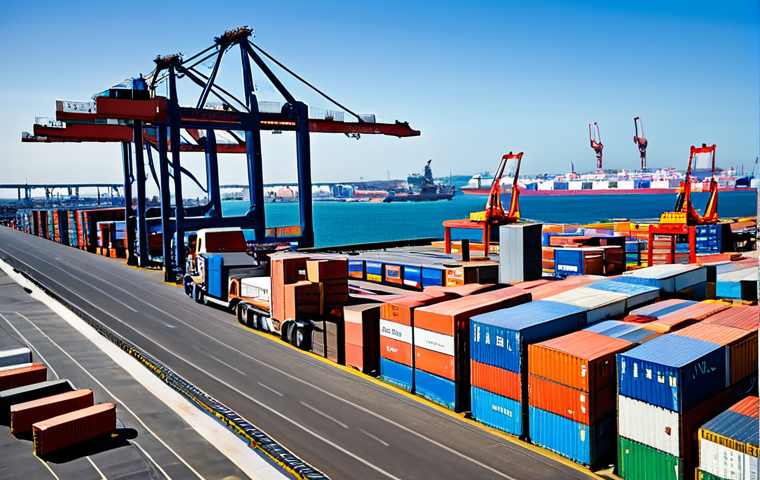
A robust R&D sector is the cornerstone of any innovative economy. Governments should prioritize funding for scientific research, technological development, and engineering initiatives.
But it’s not just about the money; it’s about attracting and retaining top talent. That means investing in STEM education at all levels, from elementary schools to universities.
I remember being blown away by the science programs at some universities during a recent visit – they were practically launching future innovators right there!
Fostering Entrepreneurship and Startup Ecosystems
Creating an environment where startups can flourish is essential. This includes providing access to venture capital, incubators, and accelerators. Governments can also play a role by streamlining regulations and reducing the bureaucratic burden on small businesses.
When I was advising a small startup last year, I was amazed by how much time they spent navigating red tape rather than focusing on their product. Policies that support entrepreneurship are policies that support future trade competitiveness.
Protecting Intellectual Property Rights
Strong intellectual property (IP) rights are crucial for encouraging innovation. Companies need to know that their inventions and creations will be protected from theft and imitation.
This incentivizes them to invest in R&D and develop new products and services. I’ve seen firsthand how a lack of IP protection can discourage innovation, especially in developing countries.
Strengthening IP laws and enforcement mechanisms is key to fostering a culture of innovation.
Streamlining Trade Regulations and Procedures
Navigating the complexities of international trade can be daunting, especially for small and medium-sized enterprises (SMEs). Streamlining trade regulations and procedures can significantly reduce costs and improve efficiency, making it easier for businesses to participate in global markets.
I recall speaking with a small business owner who almost gave up on exporting because of the sheer amount of paperwork involved. Simplifying these processes can be a game-changer.
Reducing Tariffs and Non-Tariff Barriers
Tariffs and non-tariff barriers (NTBs) can significantly impede trade flows. Reducing or eliminating these barriers can make a country’s exports more competitive and attract foreign investment.
I once analyzed the impact of tariffs on a specific industry, and the results were staggering – the economic benefits of reducing tariffs were undeniable.
Simplifying Customs Procedures
Customs procedures can be complex and time-consuming. Streamlining these procedures can reduce delays and costs for businesses. This includes implementing electronic documentation, simplifying inspection processes, and reducing the number of required documents.
I heard of a case where a company was able to cut its customs clearance time by 50% simply by switching to electronic documentation.
Harmonizing Standards and Regulations
Different countries often have different standards and regulations for products and services. Harmonizing these standards can reduce the costs and complexities of international trade.
This includes adopting international standards, such as those set by the International Organization for Standardization (ISO). My cousin, who works in the manufacturing industry, mentioned how frustrating it is to have to adapt products to meet different standards in different countries.
Investing in Infrastructure Development
Efficient infrastructure is essential for facilitating trade. This includes transportation infrastructure, such as ports, roads, and railways, as well as communication infrastructure, such as broadband internet and mobile networks.
I remember driving through a rural area a few years ago and being struck by how poor the infrastructure was. It’s no surprise that businesses in that area struggled to compete.
Improving Transportation Networks
Investing in transportation infrastructure can reduce transportation costs and improve delivery times. This includes upgrading ports, building new roads and railways, and improving air transportation facilities.
I recently read a report on the economic benefits of investing in high-speed rail, and the potential impact on trade and tourism was significant.
Expanding Communication Infrastructure
Access to reliable and affordable communication infrastructure is essential for businesses to participate in global markets. This includes expanding broadband internet access, improving mobile networks, and promoting the use of digital technologies.
I was amazed to learn that some remote areas still lack basic internet access. Bridging the digital divide is crucial for ensuring that everyone can participate in the global economy.
Fostering a Skilled Workforce
A skilled workforce is essential for competing in the global economy. This includes investing in education and training programs that prepare workers for the jobs of the future.
I’ve been following the debate about automation and its impact on the workforce, and it’s clear that we need to invest in skills training to help workers adapt to the changing demands of the labor market.
Strengthening Education and Training Programs
Education and training programs should be aligned with the needs of the labor market. This includes providing training in STEM fields, as well as vocational training programs that prepare workers for specific industries.
I remember attending a conference on workforce development where I learned about innovative training programs that are helping workers acquire the skills they need to succeed in the 21st century.
Promoting Lifelong Learning
The pace of technological change is accelerating, which means that workers need to be able to adapt to new technologies and skills throughout their careers.
Promoting lifelong learning can help workers stay relevant and competitive in the global economy. I recently enrolled in an online course to learn about data analytics, and it’s been incredibly valuable in my work.
Promoting Trade Diversification
Relying on a single export market or product can make a country vulnerable to economic shocks. Promoting trade diversification can help reduce this risk and improve a country’s overall competitiveness.
I recall studying the economies of several countries that were heavily dependent on a single commodity, and it was clear that diversification was essential for long-term stability.
Expanding Export Markets
Expanding export markets can reduce a country’s reliance on a single market and improve its overall competitiveness. This includes exploring new markets in developing countries and diversifying into new regions.
I recently attended a trade show where I saw companies from all over the world showcasing their products and services. It’s amazing to see the opportunities that are out there.
Diversifying Export Products

Diversifying export products can reduce a country’s reliance on a single product and improve its overall competitiveness. This includes developing new products and services that are in demand in global markets.
I’ve noticed that countries with diverse economies tend to be more resilient in the face of economic challenges.
Currency Devaluation Strategy
Devaluation means a country intentionally lowers the value of its currency. Now, I’ve seen firsthand how this affects trade, and it’s not always as straightforward as it seems.
On one hand, it makes exports cheaper and theoretically more attractive to foreign buyers. On the other hand, it increases the cost of imports, which can hurt domestic businesses that rely on foreign components or raw materials.
Let’s explore the pros and cons and how it fits into the broader picture of trade competitiveness.
Pros and Cons of Currency Devaluation
Devaluing your currency can seem like a quick fix. Exports suddenly become more affordable, potentially boosting sales and creating jobs. I remember reading about a country that devalued its currency during a recession, and their tourism sector saw a significant uptick.
However, imports become pricier, leading to potential inflation and hurting businesses that depend on foreign supplies. It’s a balancing act.
Examples
Here’s a neat little table showing how currency devaluation might play out for a hypothetical nation, say, “Econia,” which relies heavily on exporting tech gadgets and importing raw materials.
| Scenario | Outcome |
|---|---|
| Devaluation of Econia’s currency by 20% |
|
Strategic Considerations
Timing is everything. Devaluing a currency needs to be aligned with broader economic policies. If a country doesn’t address underlying issues like productivity or innovation, the benefits of devaluation will be short-lived.
Plus, it can trigger retaliatory measures from other countries, leading to trade wars. I saw this happen once, and it was not pretty – businesses on both sides suffered.
The Role of Free Trade Agreements (FTAs)
FTAs are agreements between two or more countries to reduce trade barriers. I’ve always been fascinated by how FTAs can reshape economies. When countries sign FTAs, they agree to lower tariffs, eliminate quotas, and generally make it easier to trade with each other.
This can lead to increased exports, lower prices for consumers, and more foreign investment.
Benefits of FTAs
FTAs can create new opportunities for businesses by opening up new markets. They can also lower costs for consumers by reducing tariffs on imported goods.
And they can attract foreign investment by making a country more attractive as a place to do business. From my experience, the real magic happens when FTAs are combined with domestic reforms that boost competitiveness.
Negotiating Effective FTAs
Not all FTAs are created equal. To be effective, an FTA needs to be carefully negotiated to ensure that it benefits all parties involved. This means addressing issues like intellectual property rights, environmental standards, and labor standards.
I remember reading about an FTA that failed because it didn’t adequately address environmental concerns.
Data Analytics and Market Research
In today’s data-driven world, understanding market trends and consumer preferences is crucial for staying ahead of the competition. I remember attending a marketing conference where speaker after speaker emphasized the importance of data analytics.
They talked about how companies are using data to personalize marketing campaigns, optimize pricing strategies, and identify new product opportunities.
The key is not just collecting data but also analyzing it effectively to gain actionable insights.
Using Data Analytics to Identify Export Opportunities
Data analytics can help businesses identify new export markets, understand consumer preferences, and optimize pricing strategies. This includes analyzing trade data, market research reports, and social media trends.
I once helped a small business use data analytics to identify a new export market, and they were able to increase their sales by 20% in just a few months.
Investing in Market Research
Market research can provide valuable insights into consumer preferences, competitive landscapes, and market trends. This includes conducting surveys, focus groups, and interviews with potential customers.
I remember reading a case study about a company that invested heavily in market research before launching a new product, and they were able to avoid costly mistakes and achieve a successful launch.
Unlocking trade competitiveness isn’t a one-size-fits-all solution; it’s a multifaceted approach that requires strategic investments, streamlined processes, and a commitment to innovation.
It’s about building a foundation that allows businesses to thrive in the global marketplace.
Wrapping Up
As we’ve explored, boosting trade competitiveness isn’t just about cutting costs or pushing exports. It’s about creating an environment where innovation flourishes, trade is seamless, and the workforce is equipped to meet the challenges of the global economy. It’s a long game, but the payoff – a stronger, more resilient economy – is well worth the effort.
Remember, it’s about creating a sustainable, competitive edge that benefits everyone.
So, let’s get out there and make it happen!
Useful Tips & Tricks
1. Stay Updated on Trade Agreements: Regularly check for updates on FTAs and trade policies that may affect your business. The U.S. Trade Representative (USTR) website is a great resource.
2. Network with Industry Peers: Attend trade shows and industry events to connect with potential partners and customers.
3. Utilize Government Resources: Take advantage of programs offered by the U.S. Small Business Administration (SBA) and the U.S. Commercial Service to support your export efforts.
4. Invest in Employee Training: Provide ongoing training and development opportunities for your employees to enhance their skills and knowledge.
5. Monitor Currency Exchange Rates: Keep a close eye on currency exchange rates to minimize the impact of fluctuations on your business.
Key Takeaways
To stay competitive in today’s global market, remember these points:
Focus on building domestic innovation through R&D and education.
Make trade easier by cutting red tape and harmonizing standards.
Build better infrastructure and invest in a skilled workforce.
Spread your risks by selling to different markets and offering diverse products.
Use data to find new chances and stay competitive.
Frequently Asked Questions (FAQ) 📖
Q: What are some tangible ways a country can improve its trade competitiveness in the face of increasing automation?
A: Having seen firsthand how automation is changing manufacturing, I think it’s clear that countries need to invest heavily in reskilling and upskilling their workforce.
It’s not just about learning to operate new machines; it’s about developing skills that complement automation, like data analysis, complex problem-solving, and creative thinking.
Beyond that, governments should incentivize companies to adopt automation responsibly, perhaps through tax breaks for worker training programs or initiatives that prioritize job creation alongside automation.
And honestly, fostering a culture of innovation – through R&D grants and support for startups – is vital. You’ve gotta create new industries and products to stay ahead.
Q: Given the frequent disruptions to global supply chains lately, how can nations build more resilient trade networks?
A: Well, if there’s one thing the past few years have taught us, it’s that relying too heavily on a single supplier or trade partner is a recipe for disaster.
Diversification is key. Countries should actively seek out new trade relationships and explore regional trade agreements to reduce their vulnerability.
I’ve also noticed a growing trend toward “nearshoring” and “friend-shoring,” where companies move production closer to home or to countries with similar values and political systems.
This can help shorten supply chains and make them less susceptible to geopolitical risks. Investing in infrastructure – better ports, roads, and digital networks – is absolutely crucial, too.
You can’t have a strong trade game without a solid foundation.
Q: In your opinion, what role does government policy play in boosting a nation’s trade competitiveness, and what specific measures are most effective?
A: Government policy is absolutely critical. Trade competitiveness doesn’t just happen organically; it needs to be nurtured. For me, smart regulations are vital: streamlining customs procedures, reducing red tape, and creating a business-friendly environment.
Think about countries like Singapore; they’ve become global trade hubs by making it incredibly easy to do business there. Governments should also invest in education and training programs to develop a skilled workforce, as I mentioned earlier.
Finally, it’s also about playing a proactive role in negotiating trade agreements that level the playing field for domestic businesses. However, from what I’ve seen, the best governments foster a collaborative environment between businesses, academia, and policymakers, working together to identify opportunities and address challenges.
It’s a team effort, really.
📚 References
Wikipedia Encyclopedia